#1
Atlas Electric
Best overall physical powerhouse. Atlas wins on raw strength, extreme body control, industrial design, and high-end movement capability. It looks less like a consumer robot and more like a future factory athlete.

The humanoid race is no longer about who can make the coolest demo. The real battle is power, speed, agility, useful skills, learning speed, autonomy, safety, and readiness for the real world. In this ranking, three of the most watched humanoids step into the arena: Boston Dynamics Atlas Electric, Figure 03, and Unitree G1.
Best overall physical powerhouse. Atlas wins on raw strength, extreme body control, industrial design, and high-end movement capability. It looks less like a consumer robot and more like a future factory athlete.
Best general-purpose intelligence contender. Figure 03 ranks highest for home-style usefulness, vision-language-action learning, tactile hands, wireless charging, and everyday task autonomy.
Best agility-for-the-money platform. G1 is smaller and less powerful, but it may be the most accessible humanoid for developers, research labs, universities, and robotics builders.
Atlas Electric is the heavyweight. It represents the Boston Dynamics philosophy: build a robot that can move through the physical world with terrifying confidence, recover from odd positions, lift serious weight, and eventually handle industrial work where traditional automation struggles.
Figure 03 is the household and workplace generalist. Its story is not just strength; it is perception, touch, language, and useful autonomy. Figure is trying to make a humanoid that understands a room, follows human instructions, handles soft and delicate objects, and keeps learning from real-world data.
Unitree G1 is the disruption play. It is not the biggest and not the strongest, but it brings humanoid robotics into the hands of developers at a dramatically lower entry point. That makes G1 important because the next great robot skill may not come from one company alone. It may come from a developer ecosystem.
| Rank | Robot | Power Dynamic | Why It Ranks Here | Best Use Case |
|---|---|---|---|---|
| #1 | Atlas Electric | Physical dominance | Atlas leads in strength, reach, mobility confidence, industrial durability, and high-end movement control. | Factories, logistics, material handling, industrial automation. |
| #2 | Figure 03 | Useful autonomy | Figure 03 leads in practical daily tasks, tactile manipulation, language interaction, and home-style reasoning. | Home help, service tasks, workplace assistance, general-purpose labor. |
| #3 | Unitree G1 | Developer acceleration | G1 leads on affordability, research accessibility, OTA improvement, and experimentation potential. | Research, education, robotics development, skill training, demos. |
Power is more than motor torque. It includes useful payload, reach, body strength, durability, and whether the robot can do work that would normally require human-level force.
Speed includes published movement speed, safe operating pace, and how quickly the robot can transition from movement to task execution.
Agility measures balance, joint range, athletic control, recovery, turning, crouching, and the ability to use the whole body in unusual ways.
Current ability ranking favors useful task demonstrations, manipulation, autonomy, and whether the robot can perform meaningful work beyond staged movement.
| Metric | Atlas Electric | Figure 03 | Unitree G1 |
|---|---|---|---|
| Primary Identity | Industrial powerhouse humanoid | General-purpose home and workforce humanoid | Affordable developer and research humanoid |
| Power / Payload | Publicly reported lift capability up to 50 kg / 110 lb | Published payload of 20 kg | Published arm load around 2 kg on G1 and about 3 kg on G1 EDU, depending on posture |
| Height / Weight | Large industrial humanoid class | 5'8" tall, 61 kg | About 1320 mm tall, about 35 kg with battery |
| Runtime | Designed around continuous operation with autonomous battery swapping | Published runtime of 5 hours | Published battery life around 2 hours |
| Movement / Agility | High dynamic movement, fully rotational joints, advanced balance and recovery | Controlled movement for homes, stairs, tight spaces, and everyday layouts | Compact bipedal platform with large joint range, high flexibility, and athletic demos |
| Hands / Manipulation | Industrial manipulation focus | Five-fingered manipulation with tactile sensing and palm cameras | Optional dexterous hand configurations with force control and optional tactile arrays |
| AI / Learning | Industrial skill-building, fleet learning, AI partnership path | Helix vision-language-action AI, whole-body autonomy, touch, vision, and language | Imitation learning, reinforcement learning, UnifoLM concept, OTA upgrades, developer tools |
| Real-World Readiness | Most credible for heavy industrial deployment | Most credible for useful household and service-task direction | Most credible for developer access and experimentation |
| Category | Winner | Reason |
|---|---|---|
| Raw Power | Atlas Electric | Highest power-class profile and strongest industrial payload story. |
| Agility | Atlas Electric | Boston Dynamics still owns the most impressive whole-body movement reputation. |
| Home Usefulness | Figure 03 | Purpose-built for household tasks, voice interaction, tactile hands, and wireless charging. |
| Developer Access | Unitree G1 | Lower price point and developer-friendly positioning make it the most accessible platform. |
| Manipulation Intelligence | Figure 03 | Palm cameras, tactile sensing, and Helix give Figure the strongest fine-task narrative. |
| Industrial Readiness | Atlas Electric | Designed for material handling, machine tending, part sequencing, and factory workflows. |
| Value for Research | Unitree G1 | Strongest combination of price, mobility, sensors, and experimentation potential. |
| Long-Term Wildcard | Figure 03 | If Figure scales real-world learning, it could become the most useful general-purpose humanoid. |
Atlas is the robot you bet on for serious physical work. It is the strongest industrial competitor and the most intimidating movement platform in this group.
Figure 03 is the robot you bet on for useful everyday work. Its power is not just lifting; it is seeing, touching, reasoning, and acting in human environments.
Unitree G1 is the robot you bet on for experimentation. It may not win the heavyweight title, but it could help thousands of builders create the next generation of robot skills.
This article uses public manufacturer information and editorial analysis. Rankings may change quickly as companies release new hardware, software, deployment videos, and verified customer results.
Through the first two months of 2026 and the opening week of March, humanoid robotics has shifted from “interesting demos” toward real commercial signals: industrial launches at CES, factory deals, fresh capital, a major acquisition, and stronger government backing in China. The clearest pattern so far is that the field is splitting into two lanes at once — near-term factory deployments and longer-term home-assistant ambitions.


This article covers the biggest humanoid-robot stories from January 1 through March 7, 2026, using hotlinked official images where direct public image URLs were verifiable and leaving out visuals where they were not.
The biggest developments have clustered around commercialization, funding, AI control systems, and national-scale competition.
CES 2026 was one of the year’s clearest turning points. Reuters described “physical AI” as a dominant theme at the show, and Boston Dynamics used CES to unveil the product version of Atlas. Boston Dynamics said the all-electric Atlas is now a product headed for factories, while AP reported the debut as the robot’s first live public demonstration and noted that Hyundai plans to use Atlas in its EV plant in Georgia starting in 2028. That makes Atlas one of the strongest signs yet that humanoids are moving from viral demos into longer-horizon industrial programs.
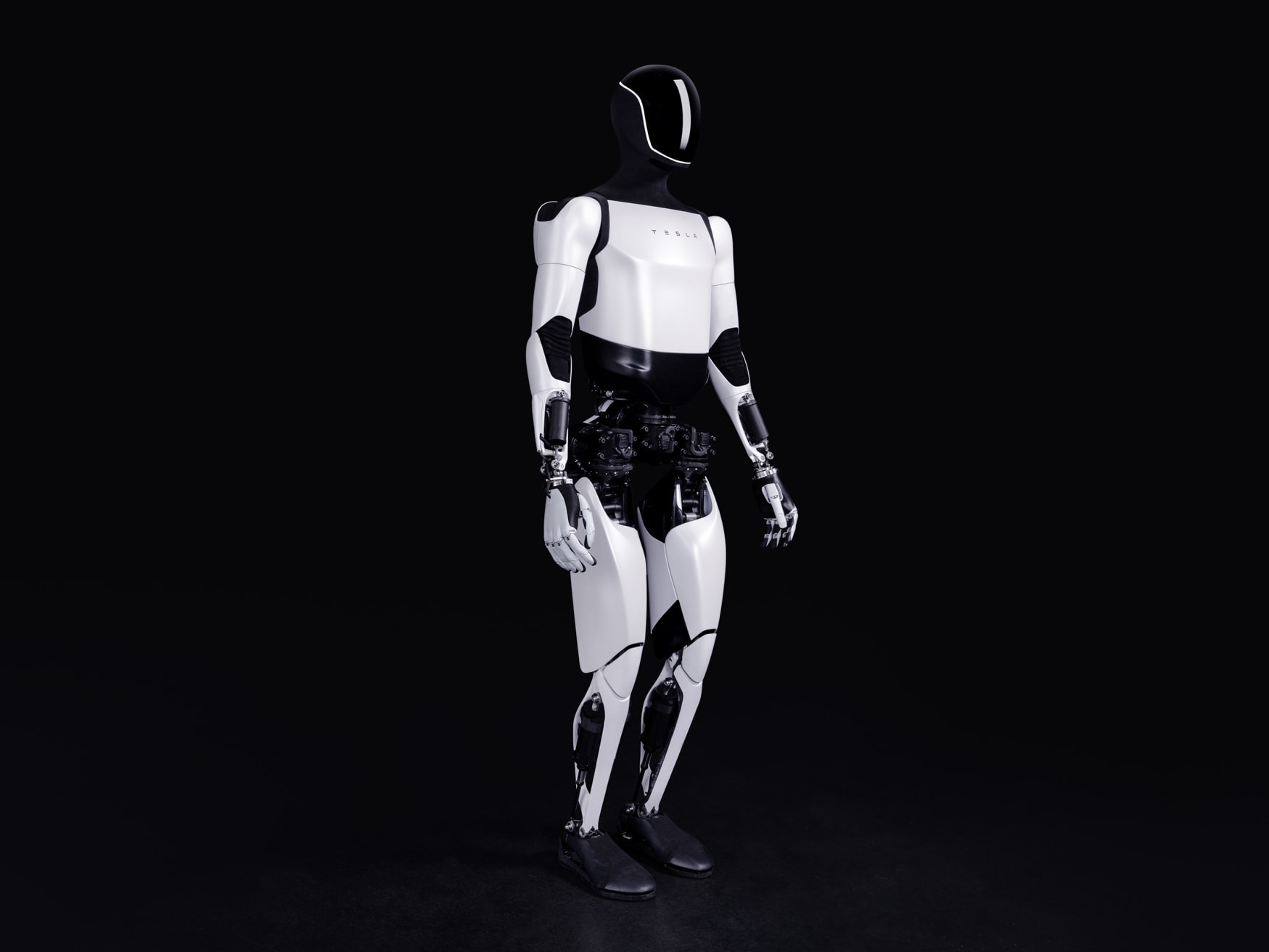
Tesla’s humanoid story this year has been less about a flashy launch and more about production pacing. Reuters reported on January 21 that Elon Musk said output of Optimus would begin “agonizingly slow” before ramping up later, with production potentially starting later in 2026. The takeaway is important: Tesla is still one of the field’s headline names, but the company is managing expectations around manufacturing complexity even as it keeps Optimus central to its long-term automation narrative.
In February, Apptronik raised $520 million in a Series A extension backed by Google, Mercedes-Benz, B Capital, and the Qatar Investment Authority, according to Reuters. The company said the money would help scale production of Apollo, expand staffing, and support new facilities in Austin and California. Reuters also reported that Apptronik is targeting factory and warehouse deployments this year, making Apollo one of the clearest “commercial scale-up” stories of 2026 so far.
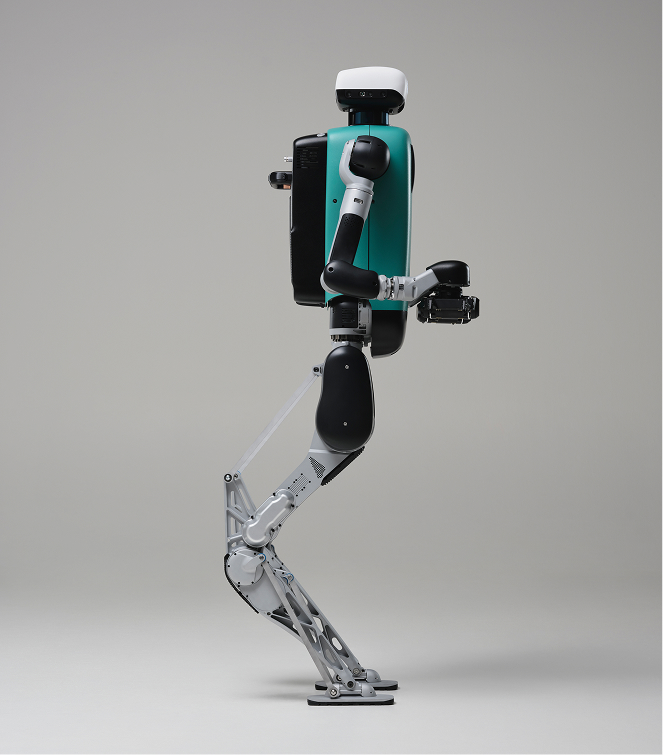
On February 19, Agility announced a commercial agreement with Toyota Motor Manufacturing Canada after a successful pilot. The company said Digit will support manufacturing, supply chain, and logistics operations. TechCrunch added a concrete number: Toyota Canada contracted seven robots under a robots-as-a-service arrangement. In a market still full of lab demos and promise-heavy timelines, this is one of the year’s strongest “signed customer, named site, real workflow” milestones.
Humanoid robotics did not just get more funding this year — it also got a major acquisition. Reuters reported on January 6 that Mobileye would acquire Mentee Robotics for about $900 million, expanding Mobileye beyond vehicles and deeper into embodied AI. The logic is straightforward: sensing, perception, and decision-making systems originally developed for autonomous driving can also be valuable in humanoid robots. That makes this deal one of the year’s clearest signs that adjacent autonomy companies see humanoids as strategically relevant.
China’s humanoid-robot push has shown up in both cultural spectacle and state strategy. Reuters reported in mid-February that Unitree, Galbot, Noetix, and MagicLab appeared at the Lunar New Year gala — a huge mainstream platform — while another Reuters report on March 4 said China’s new five-year plan envisions an AI-driven future with robots in factories and care settings. The message is bigger than any single startup: China appears to be treating humanoids as a national capability race as well as a commercial category.
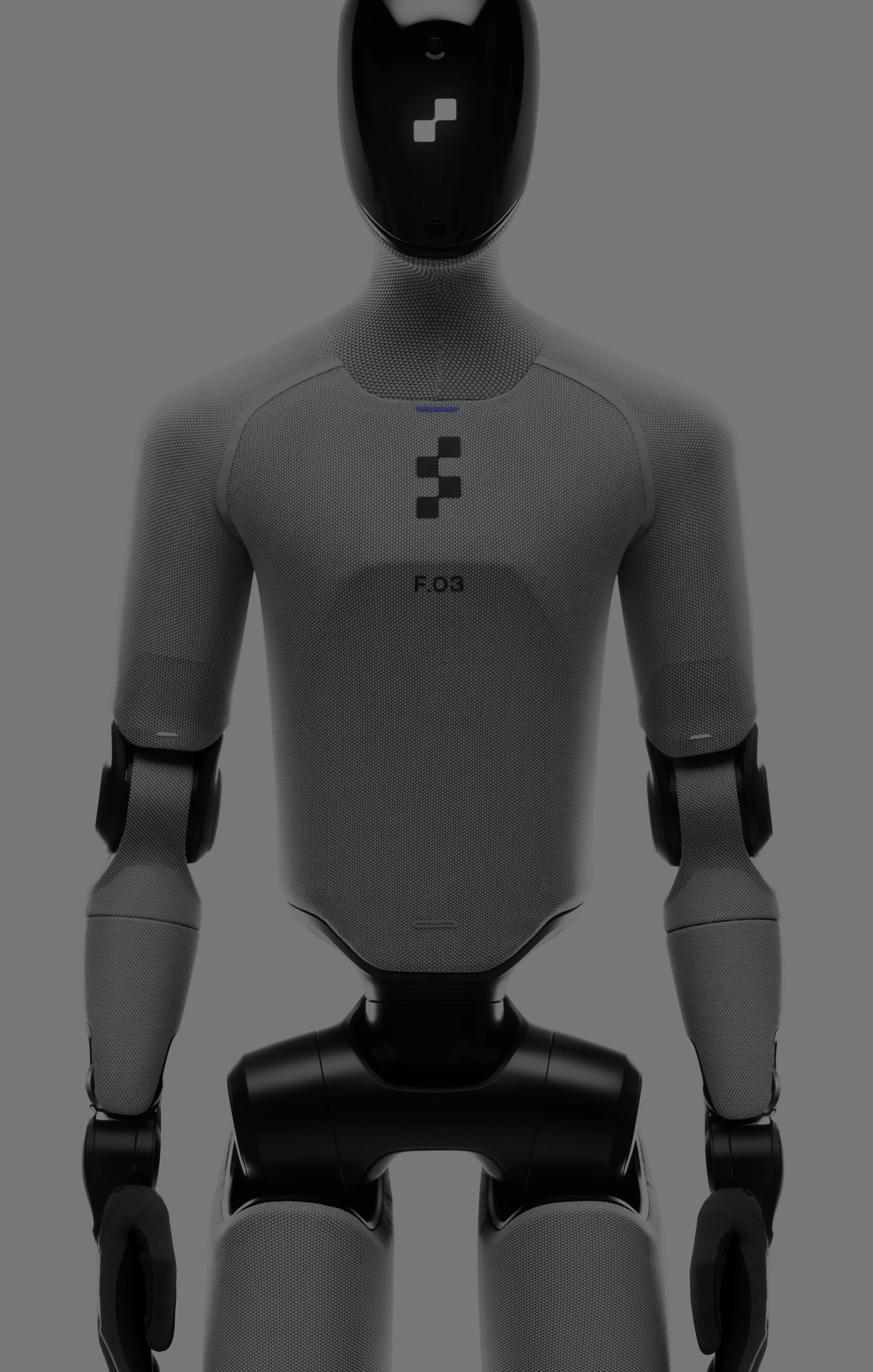
Not every important humanoid story this year has been about money or deployments. On January 27, Figure introduced Helix 02, describing it as full-body autonomy and saying it extended control from upper-body manipulation to walking, balancing, and manipulating as one continuous system. Figure said Helix 02 could autonomously unload and reload a dishwasher across a full-size kitchen for four minutes with no human intervention, and that the system builds on more than 1,000 hours of human motion data plus tactile sensing and palm cameras on Figure 03. Even if broad consumer deployment is still ahead, the software pace is accelerating quickly.
The 2026 humanoid story is no longer just “Can these robots walk?” It is becoming: Which companies can fund them, train them, sell them into real workflows, and eventually make them cheap and reliable enough for mass use?
Through March 7, the strongest evidence still favors warehouse, factory, and logistics use cases in the near term — but the home-assistant narrative is getting more credible as control systems improve.
Direct links to reporting and company releases referenced in the roundup.
Hottest Topic in Humanoid Robots & Androids Development (Q1 2026)
One of the hottest topics in humanoid robots and androids development right now (late February 2026, Q1) is the commercialization tipping point — general-purpose humanoids finally moving from flashy lab demos and pilots to real factory/warehouse deployments and early consumer/home availability, all powered by "Physical AI" (embodied, end-to-end neural control that lets robots learn complex physical tasks the way humans do — directly from video and real-world interaction rather than hand-coded rules).
This is the year everyone in the industry has been waiting for: 2026 is repeatedly called the "inflection year" where humanoids stop being million-dollar research prototypes and start doing paid, reliable work at scale. Analysts now project global humanoid shipments could hit 60,000–80,000 units this year alone (with China alone targeting over 62,500), marking a 300–600% jump from 2025. The shift is turning science fiction into everyday infrastructure, with robots not just demonstrating skills but generating actual revenue for their owners.
Why it's exploding right now
- CES 2026 (early January) was completely dominated by humanoids showing practical tasks — not just parkour or dancing. Dozens of models from startups and giants proved real dexterity, long-duration balance, and autonomy in live demos on the show floor. The event featured everything from warehouse picking to household chores, with Hyundai’s massive presentation stealing headlines as they unveiled production plans alongside Boston Dynamics.
- Figure AI's Helix 02 release (late January 2026) enabled true full-body end-to-end neural nets for long-horizon tasks (e.g., autonomous dishwasher loading/unloading in real kitchens for hours with almost no errors, or sorting packages in logistics centers). The system now powers their Figure 03 fleet, with over 100 robots already running 24/7 in the San Jose facility — automatically handing off tasks wirelessly to fresh units when batteries run low via 2kW charging docks.
- Boston Dynamics' new Electric Atlas production version (unveiled at CES and already in manufacturing) is shipping its first fleets this year to Hyundai plants and Google DeepMind (which is training it with advanced foundation models for greater cognitive awareness). The fully electric design includes self-swappable batteries for continuous operation, precise manipulation, and human-like balance recovery — including cartwheels and mid-step corrections that were unthinkable just a year ago.
- China's Spring Festival Gala (mid-February) — Unitree G1 and other low-cost humanoids stole the show with synchronized kung-fu routines, flips, and dancing performed fully autonomously. The performance went massively viral across platforms, triggering immediate 150–300% spikes in orders and inquiries on platforms like JD.com. Unitree is now ramping up aggressively, targeting 10,000–20,000 shipments in 2026 after delivering over 5,500 units in 2025 (making it the global shipment leader last year).
- Consumer side heating up fast — 1X opened NEO pre-orders late 2025 with first home deliveries scheduled throughout 2026 (Early Access at $20,000 or $499/month subscription); LG showcased its CLOiD household companions at CES, focusing on safe, interactive home assistance. These moves signal the transition from industrial pilots to real family members.
Why this is a huge deal
Humanoids are no longer science projects confined to research labs or expensive pilot programs. Companies are now proving in real deployments that they can match or beat human productivity in unstructured environments (factories and warehouses originally designed for people), work autonomously for days with minimal supervision, and drop in price fast — with volume targets now pushing $20k–$30k per unit by late 2026–2027 (down from $100k+ prototypes).
This represents a fundamental shift from "cool videos" to actual ROI discussions: robots handling dangerous or repetitive jobs (reducing workplace injuries), addressing global labor shortages, and creating entirely new economic models. Early adopters report payback periods under 18 months in logistics and manufacturing. Broader societal impacts are already being debated — from massive productivity gains to questions around job transformation and the ethics of home companions. Market forecasts suggest the humanoid robotics sector could reach tens of billions in value within a few years, with Western firms focusing on high-intelligence AI while Chinese manufacturers lead on affordable volume production.
How the industry is attacking it (the practical hot part)
- Physical AI / end-to-end learning → Companies are rapidly ditching thousands of lines of traditional hard-coded robotics code in favor of vision-language-action (VLA) models that learn like humans directly from video/data. This approach slashes development time for new tasks from months to days, allowing robots to adapt on the fly to messy, unpredictable real-world settings instead of perfect lab conditions.
- Hardware leaps → Tesla’s Optimus Gen 3 (with its highly anticipated Q1 2026 reveal featuring 50-actuator hands for unprecedented dexterity) is leveraging cheaper Chinese-sourced components for scale; Unitree continues pushing ultra-affordable agile platforms under $10k in volume; Boston Dynamics benefits from Hyundai-supplied actuators for reliability and strength.
- Self-improving flywheels → Leading teams like Figure are already testing robots that help build and maintain more robots, creating exponential scaling loops. Combined with simulation-to-real transfer learning, this could accelerate deployment rates dramatically in the second half of 2026.
- RaaS (Robot-as-a-Service) → Instead of massive upfront purchases, companies offer pay-per-use models at roughly $0.40/hour — far below human labor costs when factoring in benefits and downtime. This lowers the barrier for small businesses and accelerates adoption across warehouses, elder care, and retail.
- Ecosystem partnerships and safety focus → DeepMind’s integration with Atlas, OpenAI alumni teams at Figure, and new regulatory frameworks for verifiable autonomy are helping build trust. Safety features (like soft skins on 1X NEO and real-time collision avoidance) are now table stakes for consumer models.
The vibe is electric — sci-fi is officially becoming infrastructure. Companies, governments, and investors are scrambling to position themselves in what many call the biggest technological shift since the smartphone. If you're following humanoid/android robotics in Q1 2026, the dominant question on everyone's mind is *"When does my robot start making money (or helping at home) for real?"* — and the clear answer is this year.
