AI and Robotics Trends to Watch: Insights from Leading Experts


As technology continues to evolve at an unprecedented pace, the fields of AI and robotics are at the forefront of innovation. Experts from across the globe are providing insights into what the future may hold for these transformative technologies. Here are some of the key trends that are expected to shape the landscape in the coming years.
AI-Driven Automation
The integration of AI into automation processes is revolutionizing industries. From manufacturing to customer service, AI-driven automation is enabling businesses to operate more efficiently and effectively. Experts predict that the adoption of AI in automation will only accelerate, leading to significant improvements in productivity and cost savings.
AI systems are becoming increasingly sophisticated, capable of learning and adapting to new information. This ability to self-improve is essential for handling complex tasks that were once thought to be the exclusive domain of humans. As AI continues to evolve, its applications in automation will expand, offering even greater potential for innovation.
Collaborative Robots
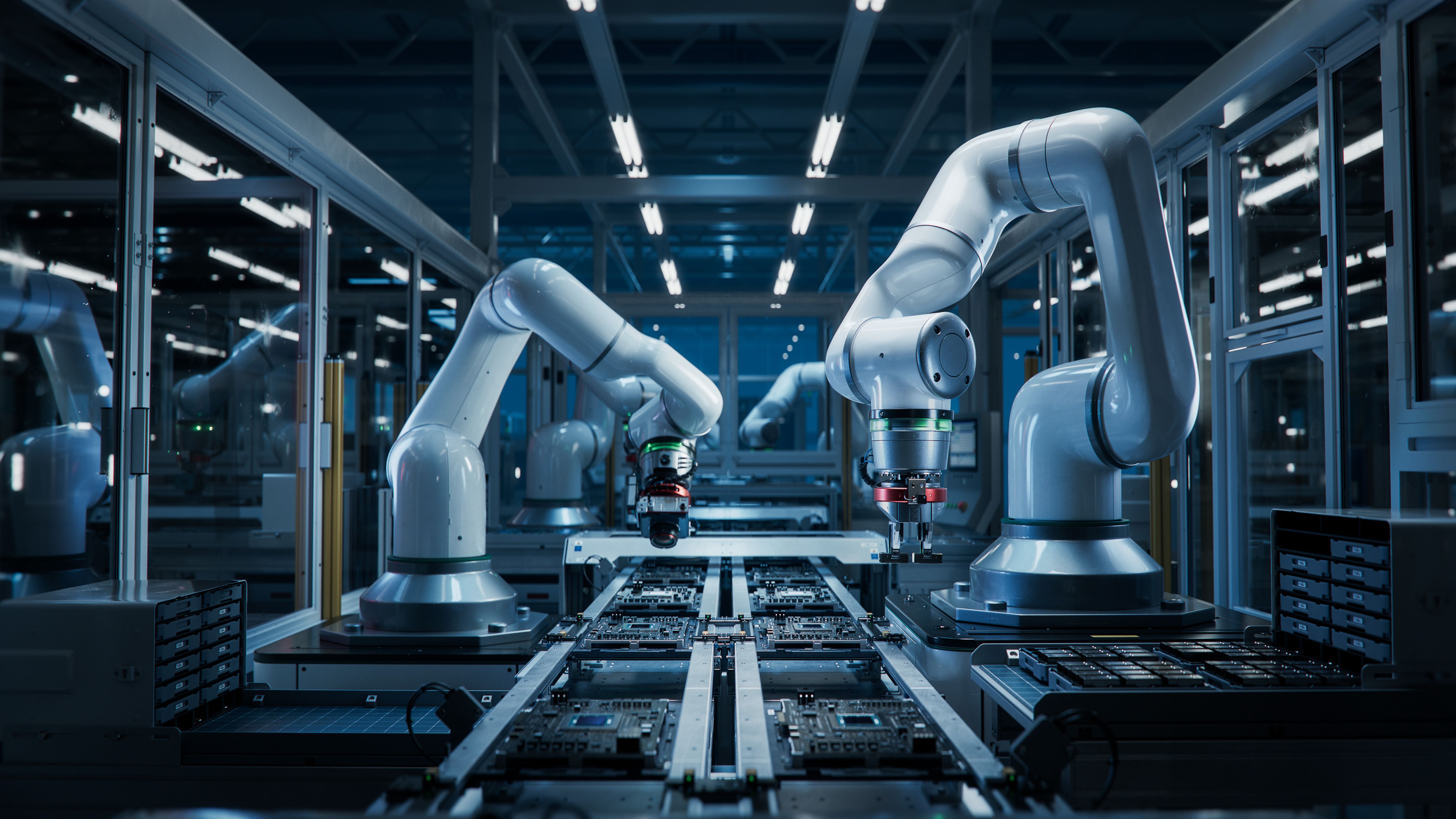
Collaborative robots, or cobots, are designed to work alongside humans, enhancing productivity and safety. Unlike traditional industrial robots that operate in isolation, cobots can interact with humans in a shared workspace. This collaboration is particularly beneficial in environments where human dexterity and decision-making are required alongside robotic precision.
Leading experts believe that the development of cobots will continue to advance, with improvements in sensors and AI making them more intuitive and adaptable. As cobots become more prevalent, they will open up new possibilities for industries ranging from healthcare to logistics.
AI in Everyday Life
The integration of AI into everyday life is becoming more pronounced. From voice assistants to smart home devices, AI is playing an increasingly significant role in our daily routines. Experts anticipate that AI will become more personalized and responsive, enhancing user experiences and providing tailored solutions to individual needs.

One of the most exciting developments is the potential for AI to improve accessibility and inclusivity. By providing personalized assistance to those with disabilities, AI can help bridge gaps and create more equitable opportunities for all individuals.
Ethical and Responsible AI
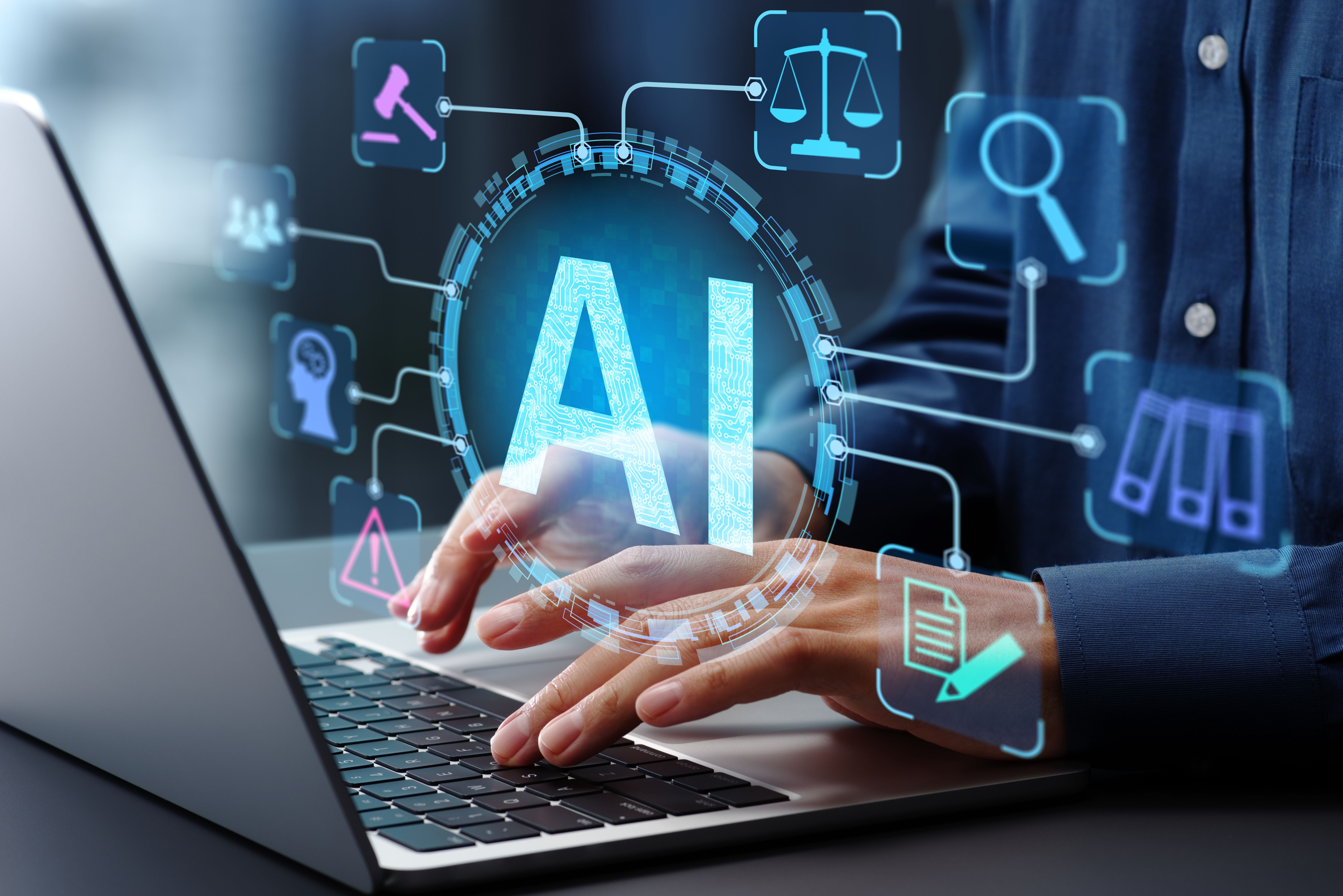
With the rapid advancement of AI technologies, ethical considerations are becoming increasingly important. Experts are calling for responsible AI development that prioritizes transparency, fairness, and accountability. As AI systems become more integral to decision-making processes, ensuring that they are free from bias and discrimination is crucial.
Leading voices in the field are advocating for the establishment of ethical guidelines and regulations to govern AI development. By fostering a culture of responsibility, the industry can ensure that AI technologies are used for the benefit of society as a whole.
Future of Robotics in Healthcare
The healthcare industry is experiencing a transformation with the integration of robotics. From surgical robots to robotic prosthetics, these technologies are enhancing patient care and outcomes. Experts predict that robotics will continue to play a vital role in healthcare, offering innovative solutions to complex medical challenges.
Robots equipped with AI capabilities are being developed to assist with tasks such as diagnostics, rehabilitation, and elderly care. As these technologies evolve, they hold the promise of improving the quality of life for patients and healthcare providers alike.
Conclusion
The future of AI and robotics is filled with exciting possibilities. From automation and collaboration to ethical considerations and healthcare innovations, these technologies are poised to reshape the world in profound ways. By staying informed about the latest trends and insights from leading experts, we can better prepare for the opportunities and challenges that lie ahead.