How AI Powered Humanoid Robots Are Revolutionizing Industries


The integration of AI-powered humanoid robots into various industries is not just a futuristic concept—it's happening now. These advanced machines are equipped with sophisticated artificial intelligence, allowing them to perform complex tasks that were once thought to be the sole domain of humans. From manufacturing to healthcare, humanoid robots are revolutionizing how we work and live.
Enhancing Manufacturing Efficiency
In the manufacturing sector, AI-powered humanoid robots are transforming production lines. These robots can perform repetitive tasks with extreme precision and consistency, reducing human error and increasing efficiency. With their ability to work tirelessly around the clock, they significantly boost production rates and lower operational costs.
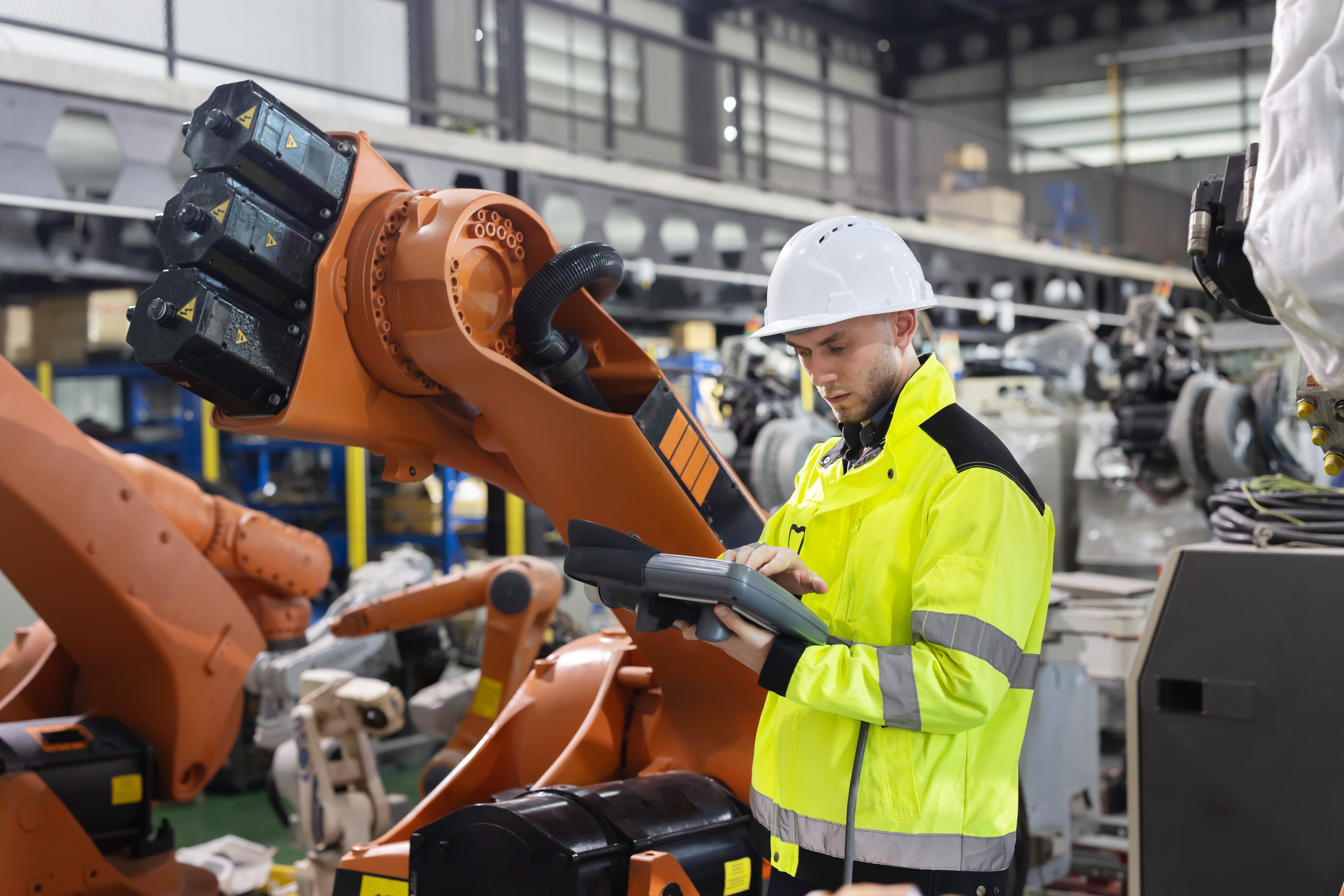
Furthermore, these robots are equipped with machine learning capabilities, enabling them to learn and adapt to new tasks over time. This adaptability allows manufacturers to quickly retool their production lines to meet changing market demands without extensive retraining of human workers.
Revolutionizing Healthcare
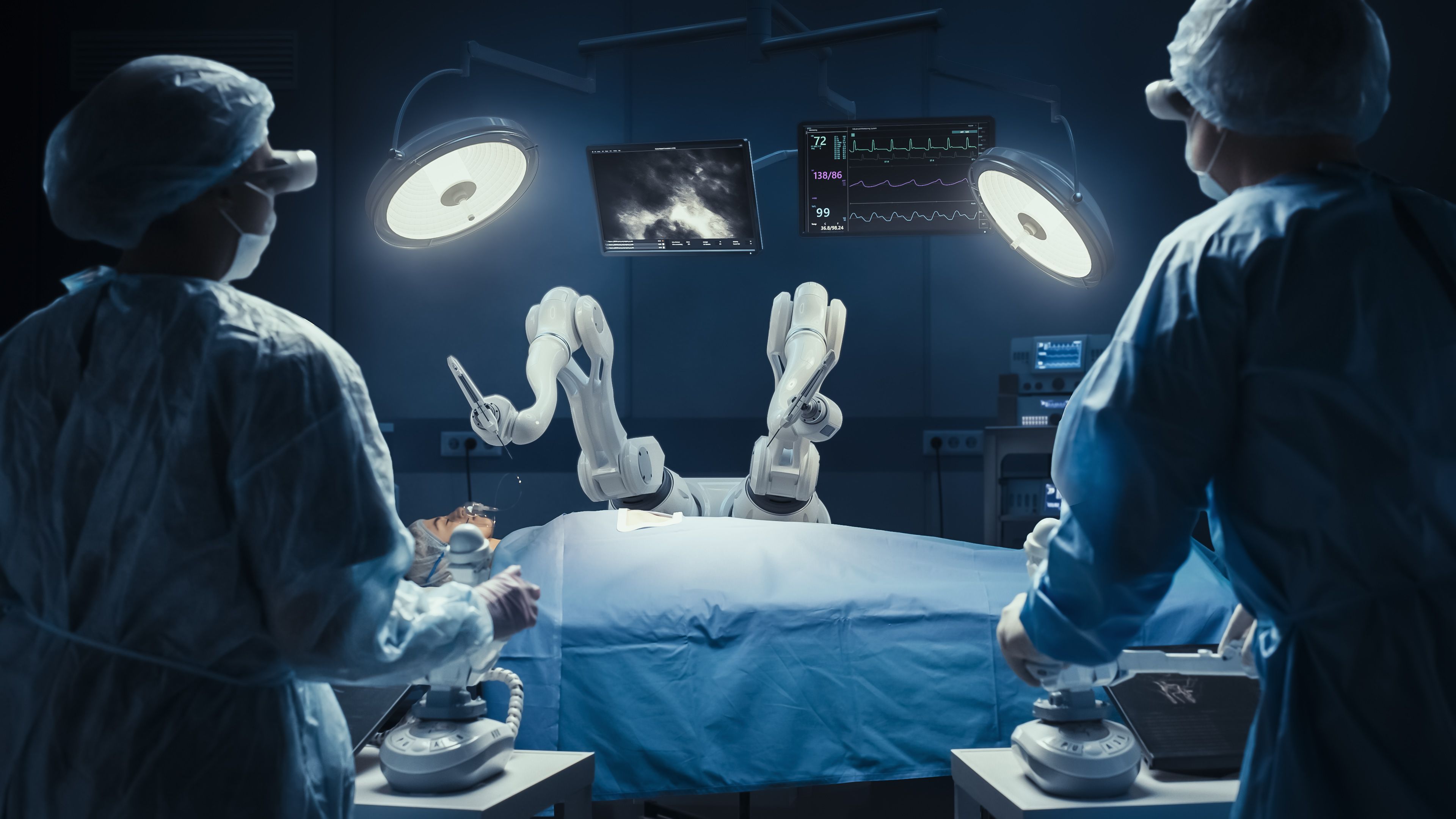
The healthcare industry is another area where humanoid robots are making a substantial impact. These robots assist in surgeries, patient care, and rehabilitation. With their precise movements and AI-driven analysis, they can perform minimally invasive procedures with high accuracy.
Additionally, humanoid robots serve as valuable tools in patient interaction, offering companionship and monitoring vital signs. This not only improves patient care but also alleviates the burden on healthcare professionals, allowing them to focus on more critical tasks.
Transforming Customer Service
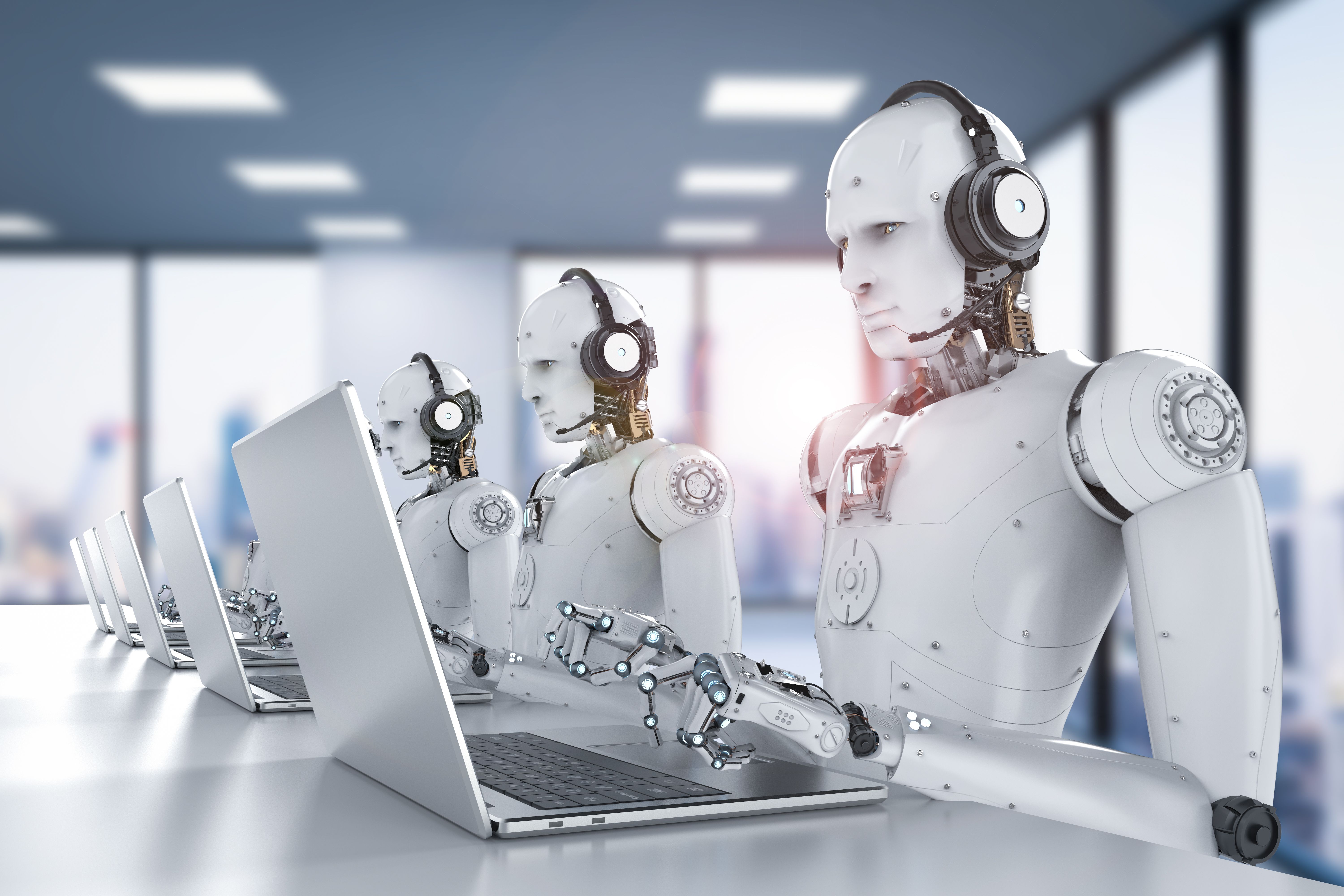
Customer service is being reshaped by AI-powered humanoid robots. These robots can handle customer inquiries, provide information, and even offer personalized recommendations. With natural language processing, they understand and respond to customer queries efficiently, enhancing the customer experience.
Moreover, humanoid robots can work in various environments, from retail stores to hotels, providing consistent and reliable service. This versatility makes them a valuable asset in delivering high-quality customer interactions across different platforms.
Improving Safety and Security
AI-powered humanoid robots are also playing a crucial role in enhancing safety and security across industries. Equipped with advanced sensors and cameras, they can monitor environments for potential hazards, ensuring a safer workplace. Their ability to analyze data in real-time enables them to detect anomalies and alert human operators of potential threats.
In security applications, these robots can patrol areas, recognize faces, and identify suspicious activities. Their presence acts as a deterrent to crime while providing a reliable surveillance solution that can operate continuously without fatigue.
The Future of Humanoid Robots
As technology continues to evolve, the role of AI-powered humanoid robots will only expand. Their ability to learn and adapt makes them ideal for a wide range of applications, promising a future where humans and robots work collaboratively to achieve unprecedented levels of productivity and innovation.
In summary, AI-powered humanoid robots are not just a technological novelty; they are a transformative force across multiple industries. Their impact is profound, offering benefits such as increased efficiency, improved safety, and enhanced customer experiences. Embracing this technology will be key to staying competitive in the rapidly evolving industrial landscape.